Exploring Regional Variety in Jamaican Food
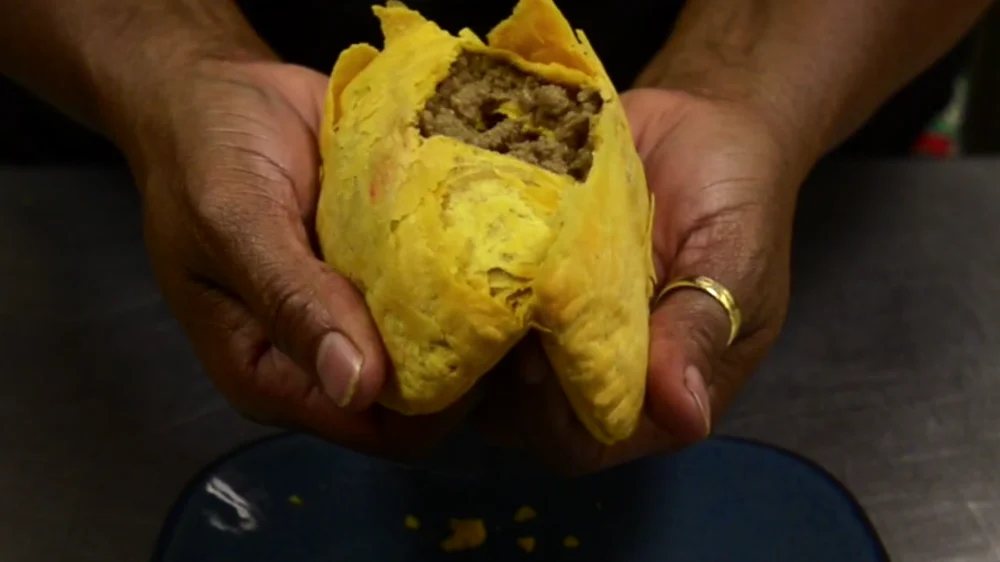

Ask ten people to describe Jamaican food and you will hear some familiar answers: jerk, patties, ackee and saltfish, curry goat, rice and peas. None of those answers is wrong, but all of them are incomplete. Jamaica is small on a map, yet its food changes noticeably from parish to parish, from coast to interior, and from roadside cookshop to family yard. The island’s terrain has a lot to do with that. Mountains, limestone country, fishing beaches, fertile plains, and urban markets each shape what grows, what gets caught, what gets carried home, and what ends up in the pot.
That regional variation is one of the most rewarding parts of eating across Jamaica. The same basic pantry can produce very different meals depending on where you are. Breadfruit roasted over coals tastes one way beside the sea, where it is likely to be paired with escovitch fish or rundown. Inland, that same breadfruit might accompany a peppery stew or simply be eaten hot with butter. Even a dish that visitors treat as national can shift in emphasis. One cook leans hard on scallion and thyme, another on pimento and Scotch bonnet, another on coconut milk or browning. None of them is trying to be novel. They are cooking from place, memory, and access.
Regional Jamaican food is best understood not as a set of fixed specialties pinned neatly to a map, but as a conversation between land, trade, migration, and habit. People move, recipes travel, ingredients get substituted, and one parish borrows from another. Still, patterns emerge, and once you start noticing them, Jamaican cuisine feels much broader and more textured than the standard tourist menu suggests.
Geography shows up on the plate
Jamaica’s physical layout matters more than many first-time visitors realize. The island’s Blue Mountains in the east, the drier south coast, the lush north coast, and the rugged interior each support different kinds of agriculture and cooking styles. This is not unique to Jamaica, of course, but on an island where markets still reflect local growing conditions and transport once mattered even more than it does now, those differences remain visible.
In fishing communities, seafood is not simply more common. It is handled differently, seasoned differently, and built into everyday meals rather than reserved for a restaurant chalkboard. Inland, where livestock and ground provisions are often more central, you see heavier use of yam, coco, sweet potato, green banana, and tougher cuts that reward long simmering. In mountain areas, cooler temperatures support crops and herbs that shape a different rhythm of cooking. And in towns, especially Kingston and Montego Bay, migration from other parishes creates mash-ups that feel urban without losing their parish roots.
When people speak casually about jamaican food, they often flatten these distinctions. Yet anyone who has spent time eating in St. Elizabeth, Portland, Kingston, and St. Ann will tell you that the island can taste different from one end to the other.
The eastern parishes and the pull of the sea
Eastern Jamaica, especially Portland and St. Thomas, has a strong coastal identity in its cooking, though the hills also matter. Portland in particular has long had a reputation for produce, seafood, and a style of cooking that can feel abundant without being heavy. The parish’s rainfall helps, and so does its access to both farming and fishing.
One of the clearest regional signatures here is the strength of dishes built around the sea and coconut. Fish tea, steamed fish, brown stew fish, and rundown all find excellent expression in the east. Rundown, with fish gently cooked down in seasoned coconut milk until the sauce reduces and intensifies, is one of those dishes that tells you a lot about Jamaica in a single spoonful. It carries African technique, Caribbean coconut cookery, and local fish traditions at once. In Portland, where bananas and coconuts have been economically important for generations, that pairing feels especially grounded.
The east is also where many people point when they talk about Boston jerk, perhaps the island’s most globally famous regional style. Jerk gets oversimplified all the time. It is not just “spicy grilled meat.” Traditional jerk relies on a seasoning base that usually includes allspice, known locally as pimento, Scotch bonnet pepper, scallion, thyme, garlic, ginger, and salt, sometimes with touches of cinnamon, nutmeg, or brown sugar depending on the cook. The method matters as much as the seasoning. Slow smoke over pimento wood, often with the meat sheltered or enclosed to trap heat and smoke, gives true jerk its depth. In and around Boston Bay, the commercial and cultural identity of jerk became unusually visible, but the roots run deeper than any one stall or roadside strip.
The result in eastern Jamaica is a style of eating that often feels bright, smoky, and aromatic. You get the fire of pepper, but also sweetness from fresh produce and fragrance from herbs and pimento. There is heat, yes, but the best eastern cooking is not just about force. It is about balance.
Kingston and St. Andrew, where the island meets itself
Kingston’s food scene can mislead people who expect “city food” to be somehow less traditional. In reality, the capital is one of the best places to understand regional variety because people from all over Jamaica live and cook there. A small cookshop in Kingston might be serving a St. Elizabeth style of stewed peas, a Portland influenced fish dish, and a Manchester preference for certain ground provisions without advertising any of that explicitly.
Urban jamaican food often reveals migration patterns. Office workers line up for breakfast plates of ackee and saltfish, callaloo, fried dumpling, boiled green banana, and yam. Lunch counters offer oxtail, curry chicken, escovitch fish, or cow foot with broad appeal. At night, jerk centers, soup men, and pan chicken vendors take over. This can seem like standard city variety, but the details matter. A soup pot in Kingston may carry mannish water on one corner and red peas soup on another night, depending on where the cook is from and what customers expect. Porridge options in the morning, cornmeal, peanut, banana, oats, plantain, can reflect both household tradition and neighborhood demand.
Kingston also sharpens another truth about regional cooking: commercial cooking changes recipes. A family in rural Clarendon may cook with the patient pace that an open fire or coal stove encourages. A city cook working a busy lunch service has to adapt. Pressure cookers shorten some processes, seasoning gets standardized, and portions have to remain consistent across dozens of customers. Yet even under those constraints, regional markers survive. The amount of coconut milk in a dish, the thickness of gravy, the cut of fish chosen for escovitch, the use of cho cho or pumpkin in soups, all of these reveal where a cook learned.
The city’s role, https://troyholt731.slatecurrent.com/posts/jamaican-food-classics-that-everyone-should-experience then, is not to erase regional styles but to place them side by side. For anyone serious about learning Jamaican cuisine, Kingston is less a single style than a meeting point.
Central and inland parishes, where ground provisions carry authority
Move inland to parishes such as Clarendon, Manchester, and parts of St. Catherine, and the food often shifts toward the satisfying weight of provisions, soups, and stews. This is an area where farming traditions remain especially visible on the plate. Green banana, yam, coco, dasheen, cassava, and sweet potato are not side notes. They are structural.
Soups in these parishes can eat like full meals. Saturday soup culture in Jamaica is broad, but inland parishes often excel at the kind of long-cooked pot that draws people in by smell alone. Red peas soup with pig’s tail or beef, chicken foot soup, gungo peas soup when in season, and mannish water after a dance or gathering all speak to a practical style of cooking that wastes little and feeds many. Texture matters here. A proper soup should have body from provisions and dumplings, and its seasoning should deepen as it rests.
Mannish water deserves mention because it is one of those dishes that outsiders sometimes reduce to folklore. At its best, it is not about myth but about flavor and utility. Goat head, tripe, feet, and herbs produce a broth with remarkable character if handled well. The balance is delicate. Too much allspice and it goes flat. Too little pepper and it loses lift. Too much cooking and the finer herbal notes disappear. In strong hands, though, it is one of the island’s great communal dishes.
Inland cooking also tends to show a comfort with starches that many restaurant menus underrepresent. Yam varieties can differ in taste and texture, and locals notice. Yellow yam holds a place of real affection in many households, not because it is trendy, but because it has flavor, heft, and a way of carrying sauces that makes a plate feel complete. A visitor may call these foods simple. An experienced cook knows better. Managing doneness across mixed provisions so that nothing turns to mush and nothing stays hard is a skill.
St. Elizabeth and the southwestern appetite for produce
If one parish regularly comes up in conversations about abundance, it is St. Elizabeth. The parish has long been associated with farming, and that agricultural depth changes the food in obvious ways. Markets brim with produce, and cooks have a wider range of vegetables and fruits to work with than many outsiders expect from their narrow image of Jamaican cuisine.
That means meals here can feel especially connected to the season. Tomatoes, scallion, thyme, pumpkin, okra, callaloo, carrots, and peppers move quickly from field to kitchen. You taste freshness not as a slogan but as a practical fact. A simple vegetable rundown or a plate of steamed cabbage can have more personality in produce-rich areas because the ingredients do not need much persuasion.
St. Elizabeth is also tied to beloved local specialties like peppered shrimp in the Middle Quarters area. Strictly speaking, these are freshwater shrimp or crayfish, heavily seasoned and sold as roadside snacks. Their appeal lies in concentration. Salt, pepper, thyme, and the slight chew of the shellfish make them addictive in the way the best roadside foods often are. They travel badly and are easy to overcook, which is part of why eating them in place matters.
The parish’s broader food culture also benefits from the intersection of farming and travel. Roadside stops, bars, and cookshops often cater to both locals and people passing through, which encourages a certain sharpness. The food has to satisfy regulars. That tends to keep standards honest. If a stew is thin, if the fish is not fresh, if the festival is dense or greasy, the verdict comes quickly.
The north coast, tourism, and what survives contact
The north coast, including St. Ann, Trelawny, and St. James, presents a different dynamic. These parishes contain some of the island’s most visited resort areas, and tourism inevitably shapes what gets highlighted. That can obscure local habits, but it does not erase them.
In tourist zones, certain dishes become ambassadors. Jerk chicken, jerk pork, fried fish, curried lobster when in season, festival, bammy, and patties show up because visitors recognize them or quickly learn to. The risk is that jamaican food gets reduced to a handful of photogenic items. The reality is more layered. Residents still eat porridge for breakfast, still stop for soup, still buy patties not as novelty but as routine, still argue over who makes the best stew peas or escovitch.
Trelawny’s yam belt, for example, points to a deeper food story than beachside menus reveal. Yam cultivation there is significant, and the local respect for yam is serious. Boiled yam with saltfish and ackee is not merely a breakfast plate. It is a statement about what sustains energy, what grows well, and what people trust. St. Ann, with its mix of agriculture and coastal access, often shows both inland and maritime influences in the same meal. Montego Bay in St. James, as a major urban and tourism center, functions a bit like Kingston on a smaller scale, absorbing people and preferences from multiple parishes.
One useful rule when eating on the north coast is to look past the branded version of a dish. If a menu is selling “authentic jerk experience” but the smoke is thin and the meat tastes mostly of bottled sweetness, move on. The best regional cooking rarely announces itself so loudly. It just smells right.
Maroon influence and the memory of older methods
Any serious discussion of regional Jamaican cooking has to make room for Maroon foodways, especially in areas where Maroon communities preserved older methods and ingredients under difficult historical conditions. The Maroons, descendants of Africans who escaped slavery and established free communities, developed cooking traditions shaped by survival, autonomy, and intimate knowledge of difficult terrain.
This influence appears in methods such as pit cooking, in the use of wild or hardy ingredients, and in a broader respect for smoke, spice, and preservation. Jerk itself is often discussed in relation to Maroon practice, though like many iconic dishes it has multiple historical threads. What matters here is not ownership in a simplistic sense, but recognition. Some regional Jamaican food traditions remain strongest where people had reason to keep techniques practical, portable, and tied to the landscape.
The interior, especially rougher country like the Cockpit region, historically demanded adaptability. Cooking there was never only about pleasure, though it certainly produced pleasure. It was about concealment, fuel, durability, and making the most of what was available. Modern restaurant versions can capture a flavor profile, but the older logic of those foods is worth remembering.
Seasonal rhythms still matter
Even with modern distribution, season still shapes Jamaican cooking. Ackee has a season. Mango season changes snacks, drinks, desserts, and breakfast tables. Gungo peas appear more prominently at certain times of year. Sorrel is famously tied to Christmas, when it is brewed with ginger and often sweetened generously. Breadfruit peaks and gluts affect what households roast, fry, or mash. Lobster is subject to seasonality and regulation. Not every market stall looks the same in August as it does in December.
Regional cooking responds quickly to these shifts. A good cook in Portland may suddenly lean harder into breadfruit and fish when both are plentiful. An inland household might build soups around what is freshest from the yard rather than what a recipe book dictates. This flexibility is one reason Jamaican home cooking stays lively. It is disciplined, but not rigid.
The same dish, different parish logic
One of the pleasures of traveling through Jamaica is eating repeated dishes and noticing how much they change. Curry goat is a good example. In some kitchens it arrives with a darker, richer gravy and more pronounced use of all-purpose seasoning blends. In others, the curry tastes brighter, with more fresh thyme and scallion coming through. Some cooks marinate overnight. Some season in stages during cooking. Some add potato, others would never. Texture varies too. Goat can be cooked until it almost collapses, or left with a bit more chew. Neither is automatically superior. Context matters.
Escovitch fish also tells regional stories. On one plate the dressing is sharply vinegared with carrots, onions, and Scotch bonnet carrying real heat. Elsewhere it leans sweeter or softer. The fish itself might be doctor fish, snapper, parrotfish where available, or another local catch. Even bammy, cassava flatbread often served with fish, shifts according to thickness, moisture, and whether it is fried, steamed, or soaked lightly before serving.
These variations are not mistakes in need of correction. They are the cuisine working as it should, through preference and circumstance.
What to pay attention to when eating across Jamaica
If you want to understand regional variety in jamaican food, you do not need a formal tasting menu. You need attention. Notice where ingredients seem native to the landscape around you. Ask which dishes are made daily and which are made mainly for visitors. Watch what locals order when nobody is trying to perform culture for an audience. More often than not, the truth is right there on the counter.
A few details tend to reveal regional character quickly:
- The starch on the plate, whether it is breadfruit, bammy, festival, boiled yam, green banana, or rice and peas.
- The fat and liquid base, especially whether coconut milk, stock, oil, or rendered meat drives the dish.
- The handling of pepper, from raw heat to cooked warmth to pepper used mostly for aroma.
- The protein source, particularly whether the kitchen leans coastal, pastoral, or market-driven.
- The cooking fuel and method, since wood smoke, charcoal, gas, and pressure cooking all leave different signatures.
That kind of close reading changes how you eat. Jerk stops being just jerk. Soup stops being just soup. A breakfast plate becomes a clue to local agriculture and inherited taste.
Why regional variety deserves more respect
Jamaican cuisine is often praised for bold flavor, and that praise is deserved. But flavor alone is too blunt an instrument for describing what makes the island’s food compelling. The finer point is variation within coherence. Across Jamaica, certain building blocks repeat: thyme, scallion, Scotch bonnet, pimento, ginger, coconut, salted fish, ground provisions, fresh fish, stewing, frying, smoking, braising. Yet those building blocks assemble differently depending on local conditions.
That is the mark of a mature food culture. It can absorb movement and change without becoming generic. It can produce a dish as globally recognizable as jerk while still preserving intensely local food habits that never appear on export menus. It can feed tourists, office workers, farmers, schoolchildren, and elders from overlapping but distinct traditions. And it can do all this on an island where memory still matters in the kitchen.
To explore regional Jamaican food properly is to let go of the hunt for a single definitive plate. There is no one plate. There is a network of them, tied to parish, season, livelihood, and family. The better question is not “What is Jamaican food?” but “Where in Jamaica am I eating, and what does that place want to say through its cooking?” Once you start there, the island opens up.
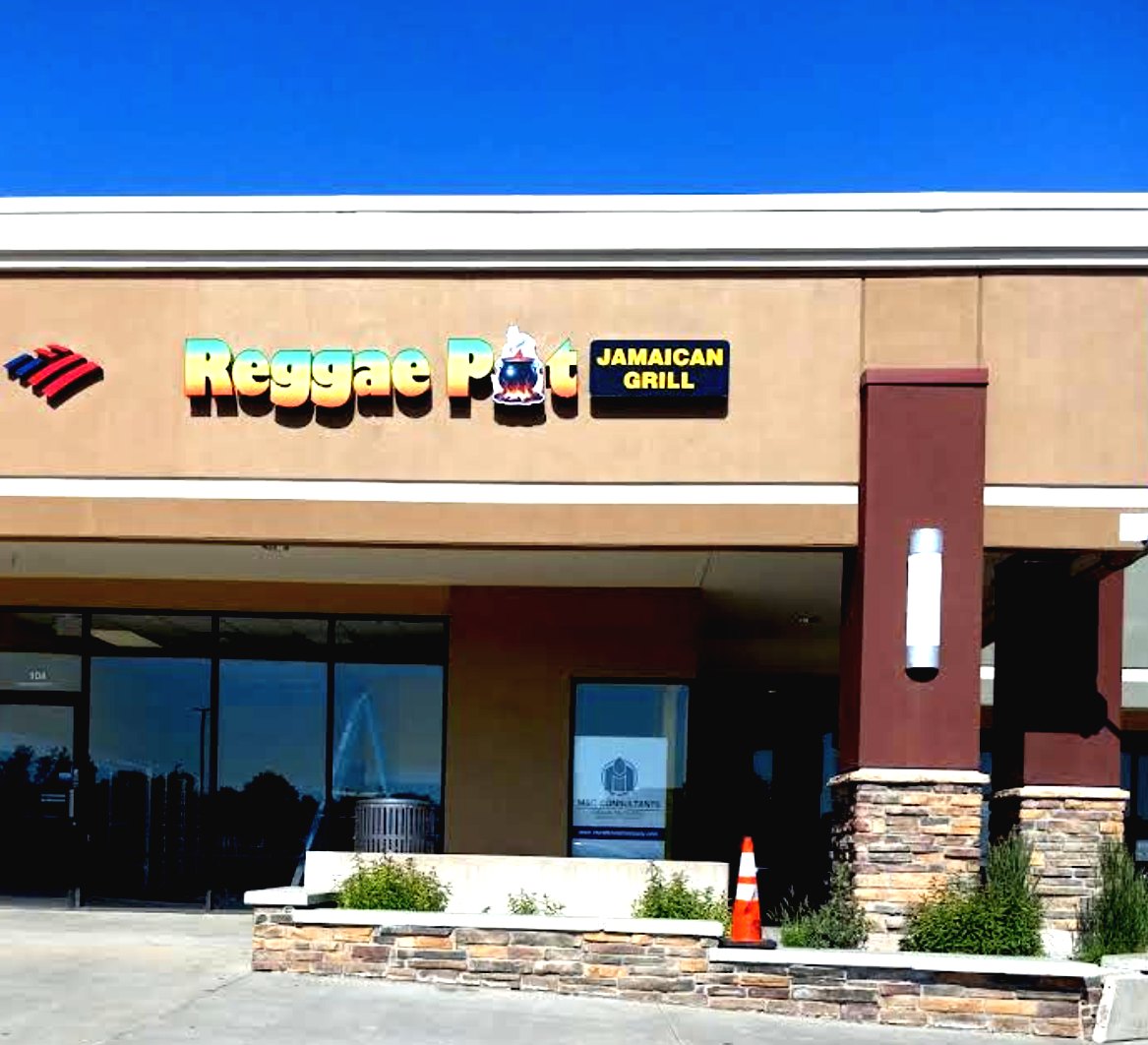
Reggae Pot Jamaican Grill
2243 S Monaco St Pkwy #104
Denver, CO 80222
+1 720-410-2956
FAQ About jamaican food
What is the best Jamaican food to try in Denver?
The best choice depends on your tastes. Popular options include jerk chicken, curry goat, slow-cooked oxtail, and savory patties. Reggae Pot lists these dishes on its menu, with sides such as rice and peas and plantains. Ask the Denver team about current availability and spice levels.
Is Jamaican food very spicy in Denver?
Heat varies by dish and preparation. Jerk seasoning often includes scotch bonnet peppers alongside herbs and allspice, while other dishes may have gentler seasoning. Ask about the heat of the specific dish and any sauce before ordering.
What are some popular Jamaican snacks?
Jamaican patties are a popular snack made with flaky pastry and savory meat or vegetable fillings. Other options include fried dumplings and festival, a sweet fried dough often served with savory dishes. Availability varies, so check the current menu when ordering.