Best Jamaican Food in Denver for Catering and Events
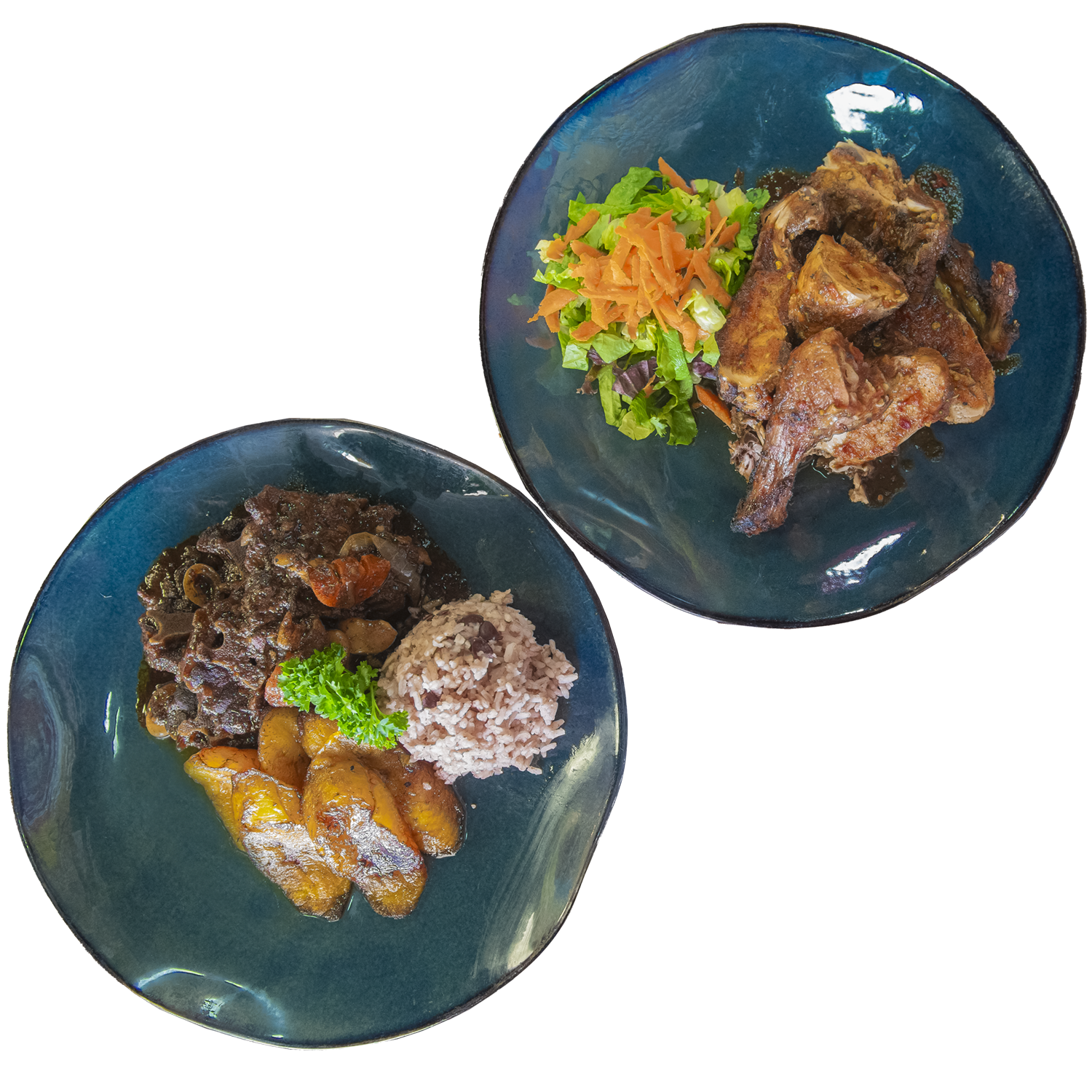
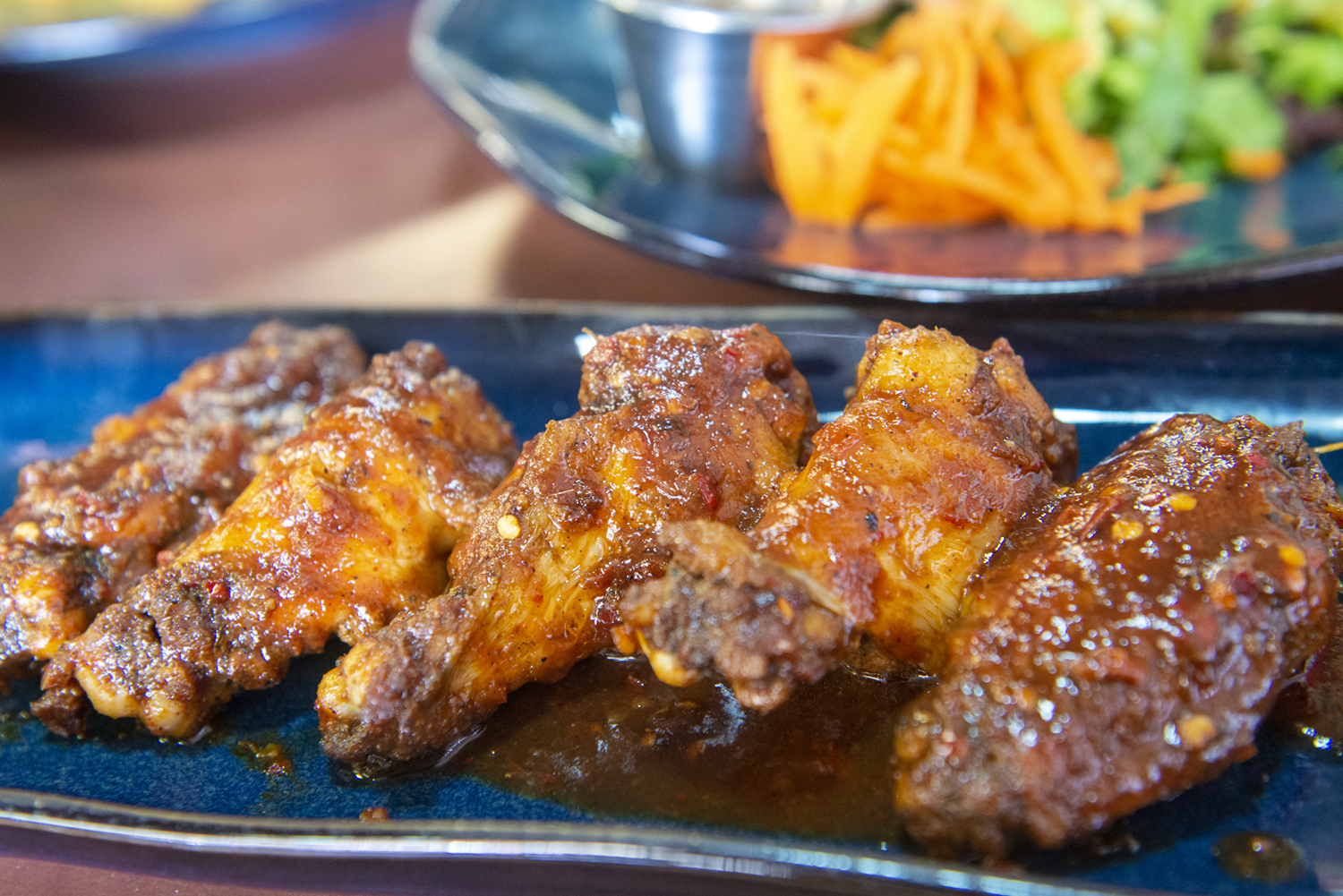
Denver has no shortage of catering options, but Jamaican food brings something different to the table, literally and culturally. It is bold without being fussy, deeply comforting while still feeling festive, and flexible enough to suit a backyard graduation party, a polished corporate lunch, or a wedding reception that people remember for the right reasons. When clients ask what cuisine can satisfy a mixed crowd without feeling generic, Jamaican food is one of the first answers that comes to mind.
That is especially true in a city like Denver, where event hosts often want menus with personality. Standard catering spreads can blur together fast. Chicken breast, roasted vegetables, a starch, maybe a salad, then sheet cake. It fills people up, but it rarely sparks conversation. Jamaican food does. The aroma alone changes the mood of a room. Scotch bonnet, allspice, thyme, ginger, scallion, curry, and slow-cooked meat have a way of making guests look up from their phones and pay attention.
If you are searching for jamaican food denver hosts can serve with confidence, the best choice is not just about flavor. It is about execution, consistency, and whether the caterer understands how food behaves once it leaves the kitchen. Event food lives or dies on timing, transport, portion planning, and holding temperature. Jamaican dishes happen to perform unusually well on those fronts when they are prepared by people who know the cuisine and know catering.
Why Jamaican food works so well for events
Some cuisines taste best in a restaurant but lose their edge during transport. Fried foods soften. Delicate sauces break. Rare proteins overcook under chafing lids. Jamaican food, by contrast, often caters beautifully because many of its strongest dishes are built on marinades, braises, stews, rice dishes, and grilled meats with enough backbone to hold up over time.
Jerk chicken is the obvious example. Done properly, it arrives with a charred exterior, deep seasoning, and enough moisture to stay appealing on a buffet line. Curry chicken and oxtail tend to settle even better after a little time because the spices continue to open up. Rice and peas travels well, reheats well, and grounds the menu. Plantains are crowd-friendly and easy to understand even for guests who have never had Jamaican food before. Mac and cheese, cabbage, and festivals can round things out without making the spread feel overly heavy.
That matters in Denver, where event logistics can be complicated by distance, weather, and venue rules. A caterer may need to bring food across town in traffic, hold it through a venue load-in delay, or adjust for an outdoor setup where temperatures swing harder than expected. Menus built around resilient dishes simply have a better chance of tasting the way they should when guests actually eat them.
There is also a hospitality advantage. Jamaican food feels abundant. Guests notice when a buffet looks and smells generous. They notice when the seasoning has intention behind it. They notice when there is food for the vegan cousin, the aunt who wants something mild, and the friend who specifically came hoping for extra jerk sauce. Good catering is not only about feeding people. It is about making them feel considered.
What “best” really means in Jamaican catering
The best Jamaican food in Denver is not necessarily the hottest jerk, the biggest menu, or the lowest price per person. Those can all matter, but for catering and events, “best” usually means a combination of quality, reliability, and https://charliespdo658.zenbloomer.com/posts/where-to-eat-the-best-jamaican-food-in-denver fit.
Flavor comes first, of course. The seasoning should taste layered rather than one-note. Jerk should have heat, but also sweetness, smoke, herbs, and spice. Curry should have depth, not just yellow color. Oxtail should be rich and tender without turning greasy. Rice and peas should be distinct and fragrant, not mushy. Plantains should be caramelized, not limp. Even a simple cabbage side should taste like someone cared.
Then comes consistency. It is one thing to produce a great plate in a restaurant kitchen. It is another to produce trays for forty, eighty, or two hundred guests and keep every pan tasting like it came from the same hands. The strongest caterers know their yields, know which dishes scale well, and know where not to overcomplicate things.
Service matters more than many hosts realize. A caterer who responds clearly, asks the right questions, and talks honestly about guest count, spice tolerance, setup limitations, and staffing is usually easier to trust than one who simply says yes to everything. Overpromising is a warning sign in any cuisine. In catering, it is a dangerous one.
Finally, the best option fits the event itself. A corporate office lunch has different needs than a wedding cocktail hour. A family reunion with kids and grandparents needs a different spice strategy than a late-night birthday celebration. A seasoned caterer should be able to shape Jamaican food to the room without stripping away what makes it Jamaican.
The dishes that tend to win over Denver crowds
There is always a tension in event planning between serving something memorable and serving something broadly appealing. Jamaican food handles that balance better than most cuisines because it offers enough variety to comfort cautious eaters and reward adventurous ones.
Jerk chicken usually anchors the menu because it checks nearly every catering box. It smells incredible, portions cleanly, and appeals to guests who may not know much about Jamaican cuisine but understand grilled chicken with spice. Bone-in pieces often deliver better flavor, while boneless thighs can be easier for standing receptions or office events where guests are balancing plates and conversations.
Curry chicken is often the quiet favorite. It is approachable, deeply savory, and tends to satisfy people who want warmth rather than fire. It also pairs effortlessly with rice and peas, steamed cabbage, and plantains. For mixed-age gatherings, it can be a safer centerpiece than very spicy jerk while still feeling distinctive.
Oxtail sits at the premium end of the menu. It is luxurious, rich, and memorable, which makes it ideal for milestone events, smaller weddings, and hosts who want one dish that makes people talk. The trade-off is price. Oxtail costs more, and because it is bone-in, yield planning matters. A smart caterer will help decide whether it should be a main attraction for everyone or a featured item alongside more economical dishes.
For vegetarian guests, callaloo, curry vegetables, rice and peas, cabbage, fried plantains, and patties can build a satisfying plate if the kitchen treats meat-free food as a real part of the menu rather than an afterthought. This is one area where it pays to ask direct questions. “Vegetarian available” can mean something fully developed, or it can mean a tray of rice and a side salad. Those are not the same thing.
Patties deserve special mention for events. They are practical, handheld, easy to pass, and excellent for cocktail-style receptions or late-arriving guests. Beef patties are the classic, but chicken and vegetable versions help broaden the spread. If you are hosting an event with mingling, speeches, or staggered arrival times, patties can solve a lot of timing problems.
Catering in Denver comes with its own set of practical realities
People often underestimate how much city and climate shape catering. Denver is not uniquely difficult, but it does bring quirks that experienced local caterers understand instinctively.
Altitude can affect moisture and holding quality, especially in baked items and rice. Dry air can punish food that is not packed or reheated correctly. Outdoor events can be sunny and warm in the afternoon, then sharply cooler in the evening. A rooftop setup downtown poses different challenges than a picnic shelter in one of the parks or a private home in the suburbs.
That is one reason local experience matters when comparing jamaican food denver catering options. A good local caterer knows the realities of parking at event venues, elevator access in office towers, service windows at community spaces, and how long it actually takes to get a full setup from van to buffet. Those details do not sound glamorous, but they are often the difference between smooth service and a late meal.
Denver audiences also tend to appreciate customization. Some crowds want traditional heat levels. Others want the flavors toned down just enough that everyone from the intern to the CFO can eat comfortably. There is no shame in that. The goal at an event is not to prove toughness. It is to serve food people enjoy. The best caterers can preserve the integrity of the cuisine while adjusting the heat strategy intelligently, often by keeping core dishes balanced and offering hotter sauces on the side.
Choosing a caterer without making the usual mistakes
A lot of event hosts compare menus and prices first, which is understandable, but it is not the smartest opening move. Start with the experience you want guests to have, then work backward.
If this is a wedding, ask how the food will be served and how quickly lines can move. Jamaican food is hearty, which guests love, but buffet flow still matters. If this is a corporate event, ask what dishes hold well if meetings run late by fifteen or twenty minutes. If this is a private party, ask whether the caterer can provide setup, serving utensils, labels for allergens, and disposable or upgraded serviceware depending on the level of formality.
Tasting is helpful, though not always possible for smaller orders. If you do taste, focus on seasoning balance, tenderness, and how complete the plate feels when components are eaten together. A beautiful jerk marinade means less if the rice is bland or the cabbage tastes like an afterthought.
There are a few questions worth asking every caterer because the answers reveal how organized they really are:
- How do you recommend building a menu for my guest count and event style?
- Which dishes hold best for buffet service, and which are better for plated meals or drop-off catering?
- How do you handle spice levels for mixed groups?
- What is included in the quoted price, and what costs extra?
- How much lead time do you need for events of this size?
A caterer who answers these cleanly usually runs a tighter operation than one who replies with vague enthusiasm. Precision is a good sign.
Budget, portions, and where value actually lives
Jamaican catering can be cost-effective, but “affordable” depends on menu choices and service level. Drop-off catering for a casual event is very different from full-service catering with staff, rentals coordination, setup, and breakdown. Protein choice also changes everything. Chicken-based menus are usually easier on the budget than oxtail or seafood-heavy spreads.
Hosts sometimes try to cut costs by ordering too little food. That is almost always a mistake with event catering. Jamaican food is satisfying, but guests often come back for seconds, especially for jerk chicken, plantains, and patties. Under-ordering creates visible stress fast. Trays empty, guests start asking staff about refills, and the host stops enjoying the event. A capable caterer should advise realistic portions based on whether the event is lunch, dinner, cocktail style, or part of a larger reception with other food.
Value also shows up in less obvious ways. A caterer who arrives on time, labels dishes properly, packs sauces separately when needed, and builds a buffet that stays neat for the first hour may save you more headaches than a cheaper quote ever could. This is especially true for business events, where the food becomes part of how your organization appears to guests, partners, or employees.
For weddings and milestone celebrations, there is another kind of value. Food becomes memory. People forget linen colors. They do not always forget the jerk chicken that still had smoke on it, the curry that disappeared first, or the late-night patties that rescued the dance floor crowd. That is money well spent.
Matching the menu to the event
Not every Jamaican catering menu should look the same. A strong caterer will guide the structure instead of pushing one standard package on every client.
For office lunches, I usually lean toward a simplified menu with one or two proteins, rice and peas, cabbage, plantains, and maybe patties if the budget allows. This gives enough variety without slowing service. Boneless or easy-to-serve formats matter here. People are often eating at desks, in conference rooms, or on a short break.
For weddings, it makes sense to think in layers. Cocktail hour might feature patties and small bites. Dinner can then shift into a fuller spread with jerk chicken, curry chicken, or a premium item like oxtail for a more elevated feel. Sides matter more than couples expect because they round out the visual appeal of the buffet and help guests build plates that feel complete.
Private parties allow the most personality. This is where you can have fun with heat levels, signature sauces, and family-style abundance. If the crowd already loves Caribbean food, you can push toward bolder flavors. If the audience is mixed, keep the core menu accessible and let condiments add intensity.
What guests remember after the event
The best catering leaves an impression that goes beyond “the food was good.” Guests remember whether the meal felt generous, whether there was a line forever, whether vegetarian guests had real options, whether the hot food stayed hot, and whether the host seemed relaxed instead of firefighting.
Jamaican food tends to create positive memory because it engages more senses than many event menus. There is the aroma before the buffet even opens. There is the color contrast, golden plantains, dark jerk crust, bright cabbage. There is texture, from flaky patties to tender braised meat. There is also emotional range. Some guests feel nostalgia. Others feel discovery. Both are useful at an event because both pull people into the moment.
That is why the best jamaican food denver can offer for catering stands out in such a crowded market. It does not rely on novelty alone. It delivers comfort, presence, and flavor with enough flexibility to suit very different occasions.
A final word on finding the right fit
If you are planning an event in Denver and considering Jamaican catering, trust your senses and your practical instincts equally. Look for food that tastes like it was made by people who understand depth and restraint, not just heat. Look for communication that is direct and specific. Look for a menu that respects both the cuisine and the event.
When those pieces line up, Jamaican food can do something many catering menus fail to do. It can satisfy logistics and still feel alive. It can feed a room efficiently without feeling generic. It can give guests the comfort of a hearty meal and the excitement of real flavor at the same time.
That is what makes it such a strong choice for events, and why more Denver hosts are turning to it when they want food that carries the day instead of merely filling the schedule.
Reggae Pot Jamaican Grill
Address: 2243 S Monaco St Pkwy #104, Denver, CO 80222
Phone number: +17204102956
FAQ About Jamaican Food Denver
What is typical Jamaican food?
Typical Jamaican food features bold, vibrant flavors created by blending African, Taino, European, and Asian influences.
What is a famous Jamaican dish?
Ackee and saltfish is Jamaica's national dish, made by sautéing the soft local ackee fruit with salted cod, onions, tomatoes, and spicy Scotch bonnet peppers.
What food is most popular in Jamaica?
The most popular and famous food in Jamaica is Jerk Chicken, celebrated worldwide for its smoky, spicy flavor.